A.3.2SL + HL
Benefits to health of being active
Guiding question: How does regular physical activity protect health, and how should exercise be planned for different people?
Learn it, then try it
Read each idea, work through its activities, then tick it off. 0 of 2 done.
A.3.2.1
Activity and physical well-being
Recommended amounts of activity differ between groups; for example, children need more daily activity than adults. Energy balance compares energy intake with energy expenditure, and any surplus is stored. Activity can help or harm muscle and immune function, depending on the dose and recovery. Regular activity reduces the risk of type 2 diabetes, obesity, osteoporosis, hypertension and cardiovascular disease.
Match the terms
Key terms
Match each term to its meaning.
Tap a term, then tap its meaning.
Check yourself
Quick check
1.A person's daily energy intake is consistently greater than their energy expenditure. What is the most likely result?
2.Over one week, person X has a mean daily energy intake of 2400 kcal and expenditure of 2700 kcal. Person Y has a mean daily intake of 2900 kcal and expenditure of 2600 kcal. Which describes their energy balance?
3.According to World Health Organization guidance, how much physical activity should a healthy 12-year-old do?
A.3.2.2 · HL only
Prescribing exercise
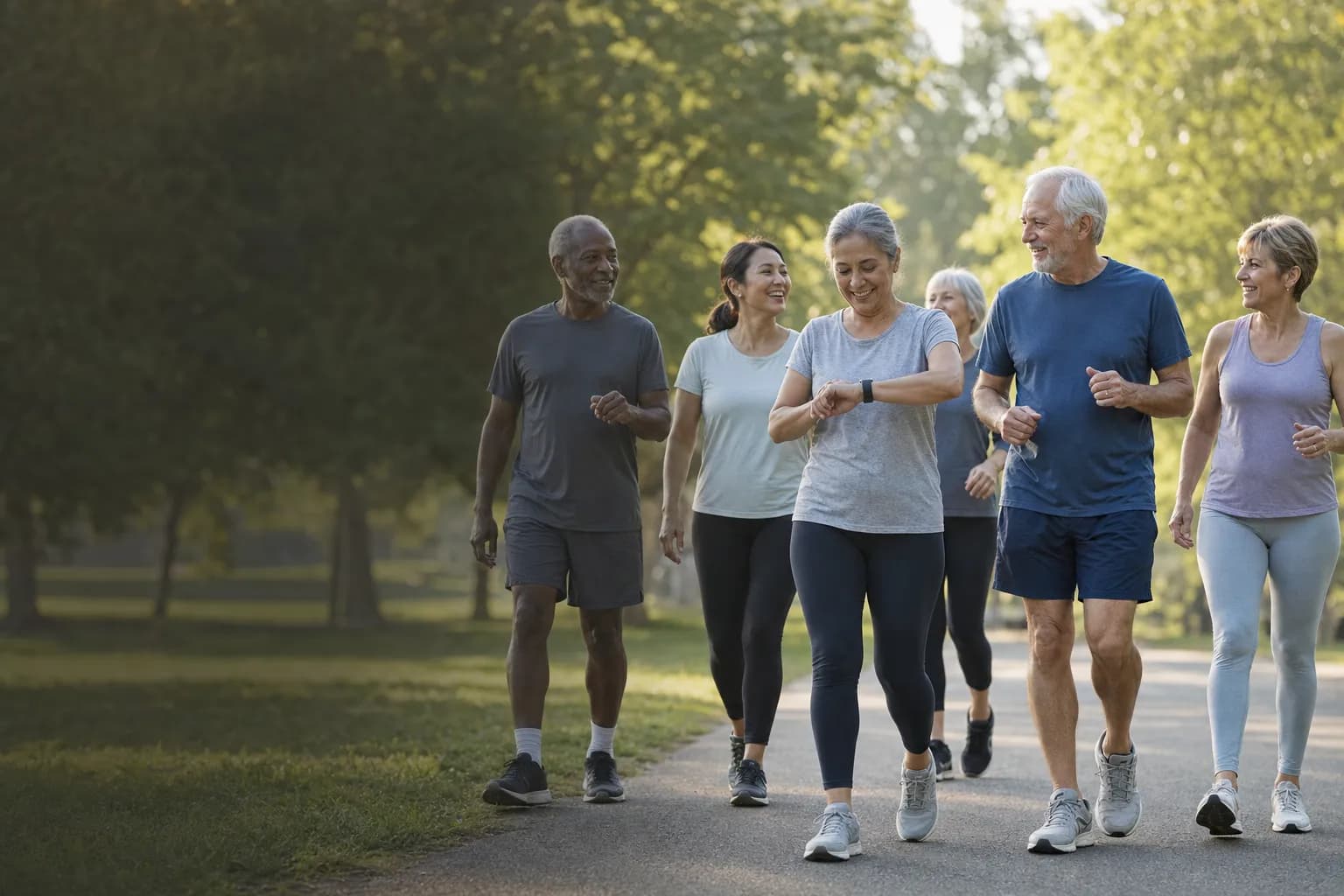
Exercise prescriptions need careful planning, and intensity should rise gradually so that injury risk stays low. Young people, older adults and those who are pregnant each need suitable types and amounts of exercise. Prescriptions should support mental as well as physical health.
Check yourself
Quick check
1.Which is the most appropriate consideration when prescribing exercise for an adult over 65 starting an exercise programme?
2.A healthy woman who was regularly active before pregnancy asks about exercise. Which recommendation is most appropriate?
3.Why should the exercise intensity for a previously inactive adolescent progress gradually?