Revise by topic
Every subtopic has its own page: the understandings to tick off, key definitions, flashcards, a self-marking quiz and the matching infographics. Each subtopic shows who studies it: SL and HL, SL and HL with extra higher-level content (HL extension), or HL only.
AExercise physiology and nutrition
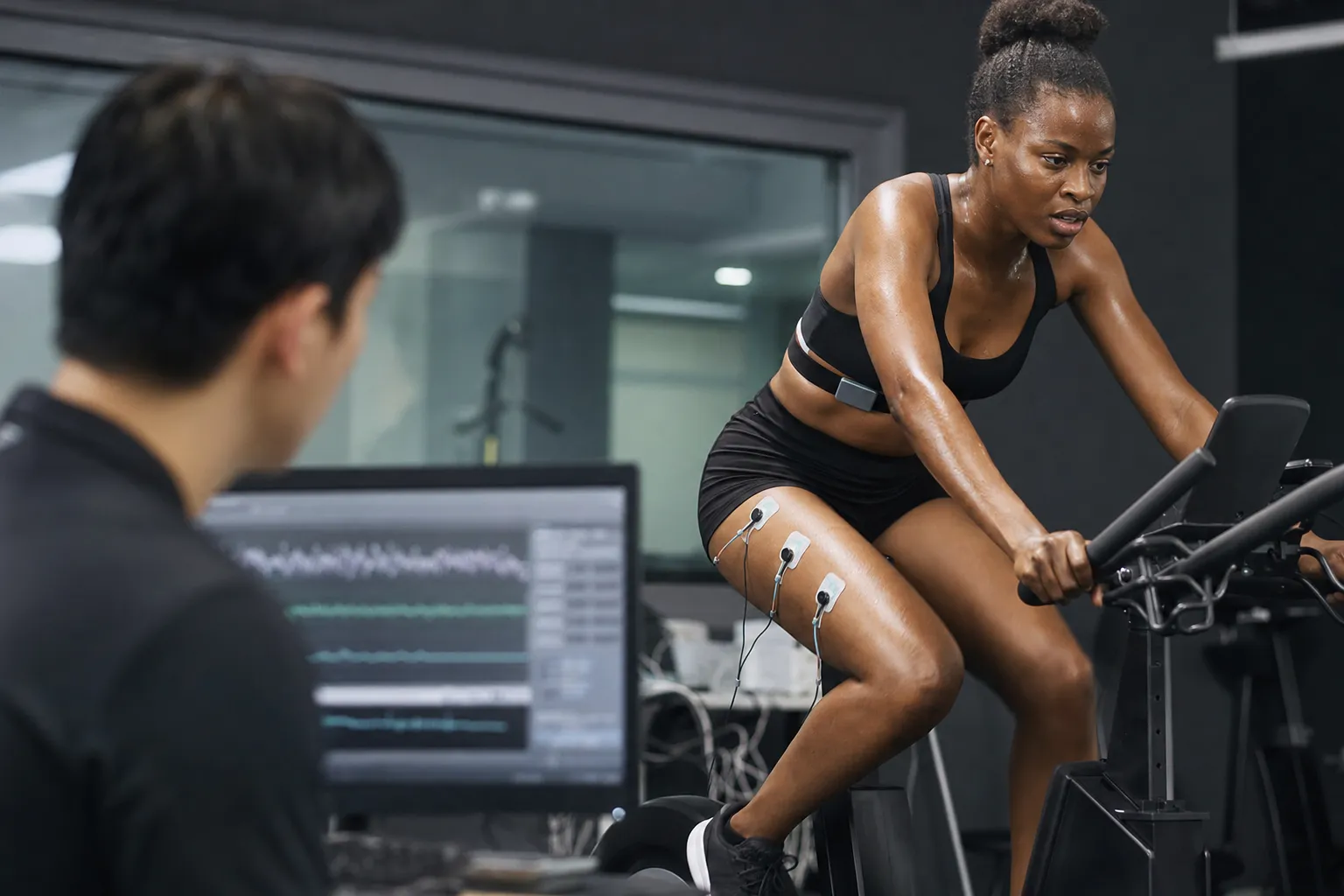
A.1.1SL and HL
Inter-system communication
How do nerves and hormones carry messages around the body so that its systems work together during exercise?
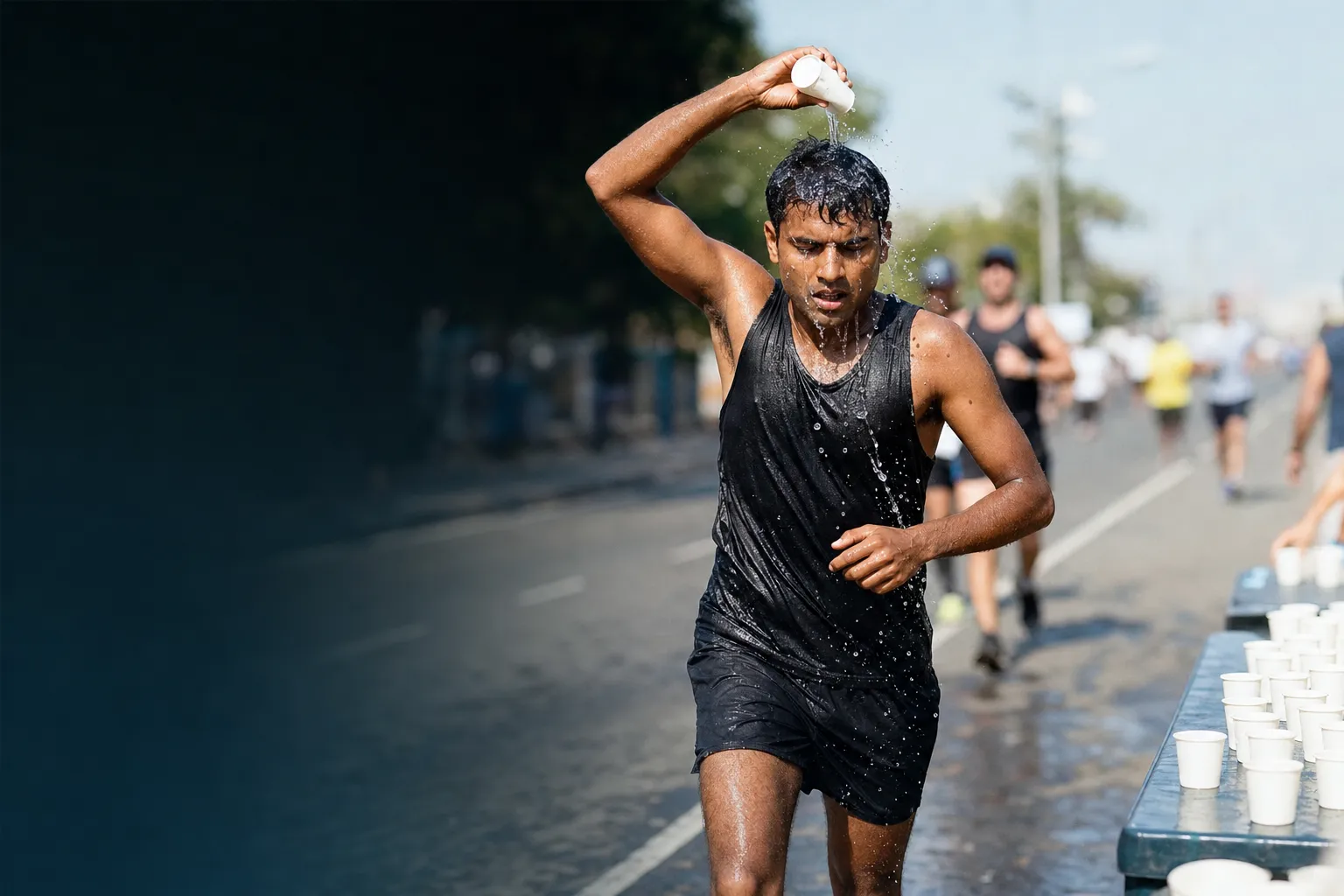
A.1.2SL and HL+ HL extension
Maintaining homeostasis
How does the body keep its internal conditions steady when exercise, heat, cold or altitude push them off balance?

A.1.3SL and HL
Transport
How do the heart, blood vessels and lungs deliver what working muscles need and remove what they produce?
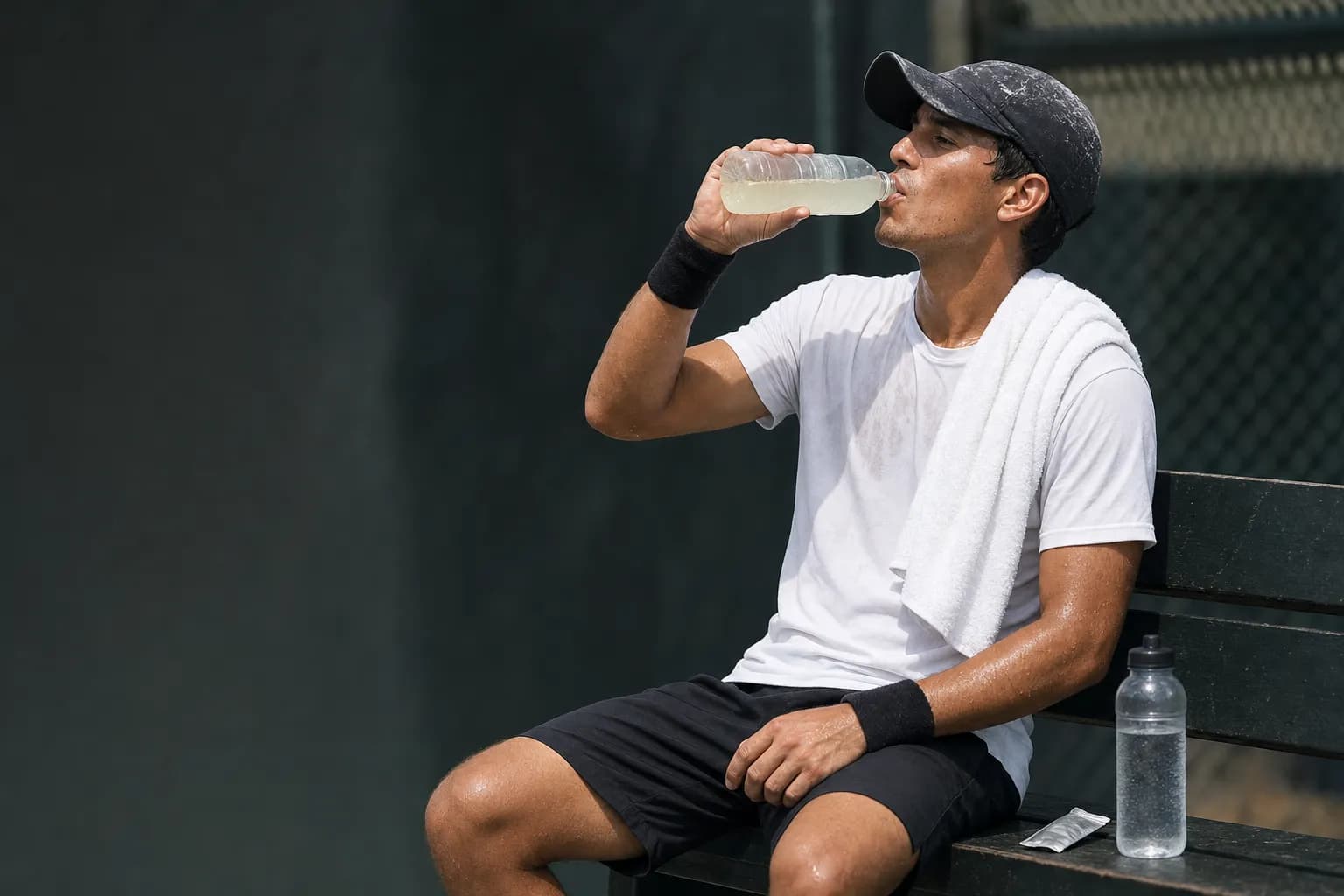
A.2.1SL and HL
Water and electrolyte balance
Why does an athlete need the right balance of water and salts, and how can they tell if it is wrong?
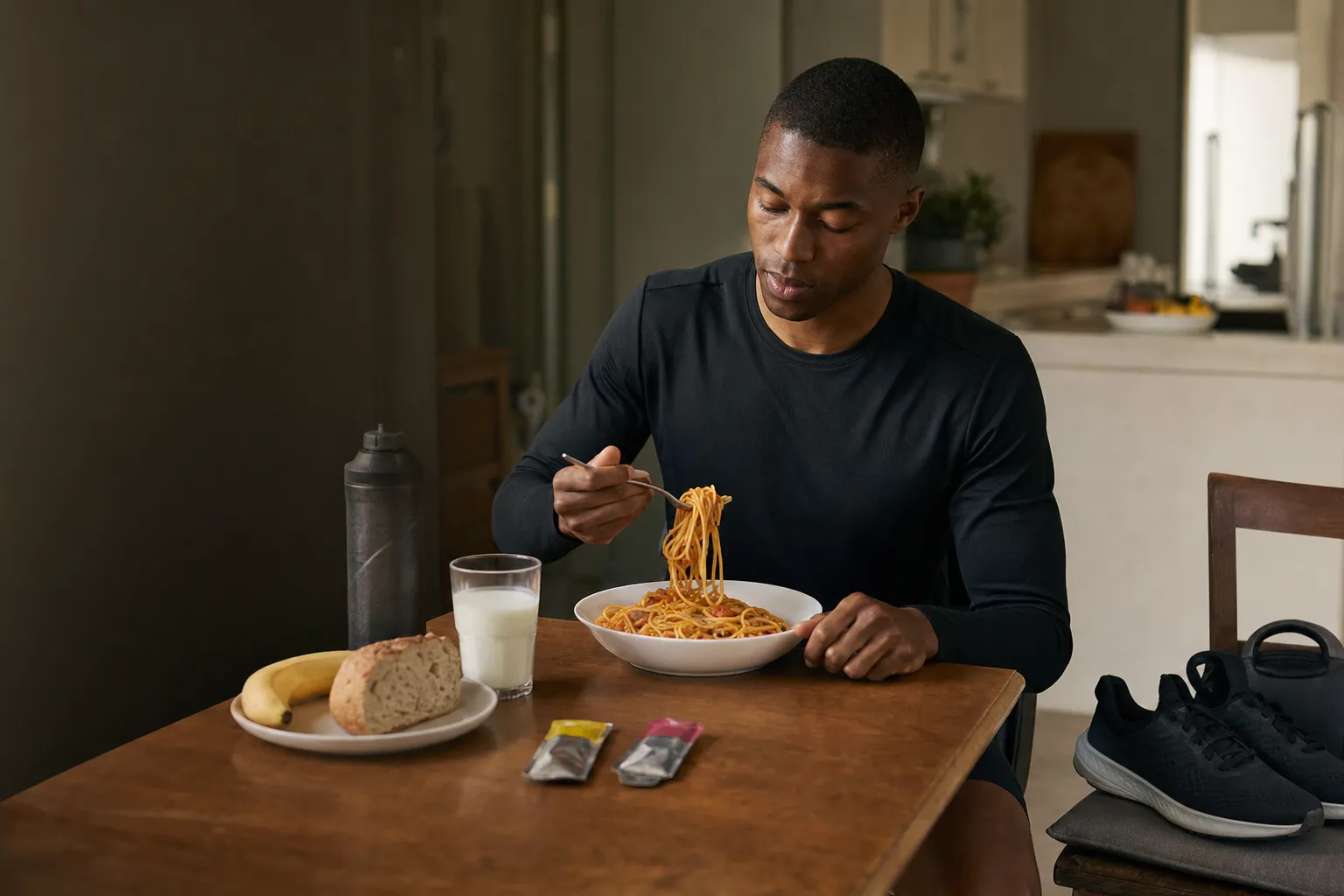
A.2.2SL and HL+ HL extension
Fuelling for health and performance
How does what an athlete eats, and when, change how well they train, compete and stay healthy?
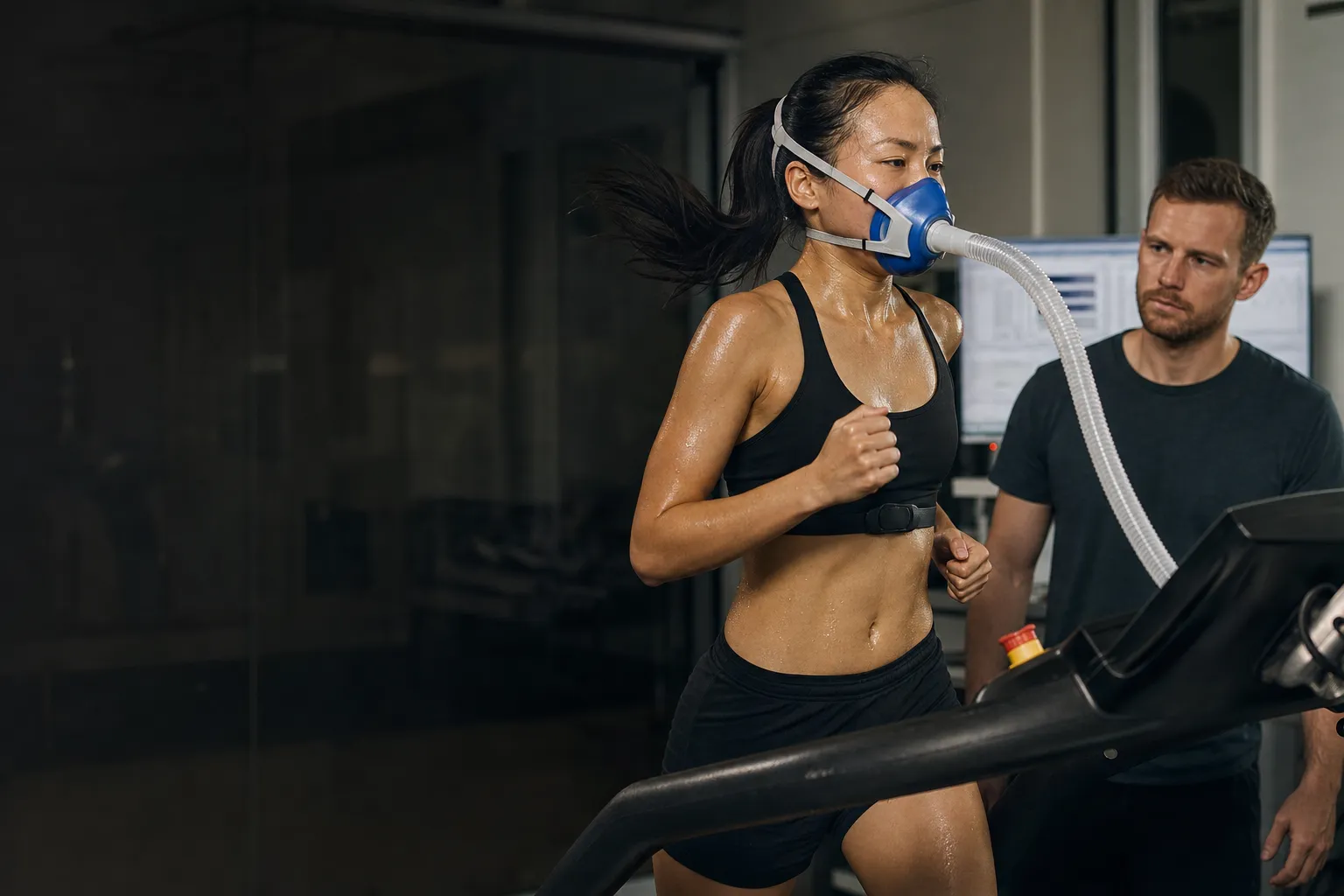
A.2.3SL and HL+ HL extension
Energy systems
How does the body make enough ATP for a ten-second sprint, a two-minute race and a three-hour marathon?
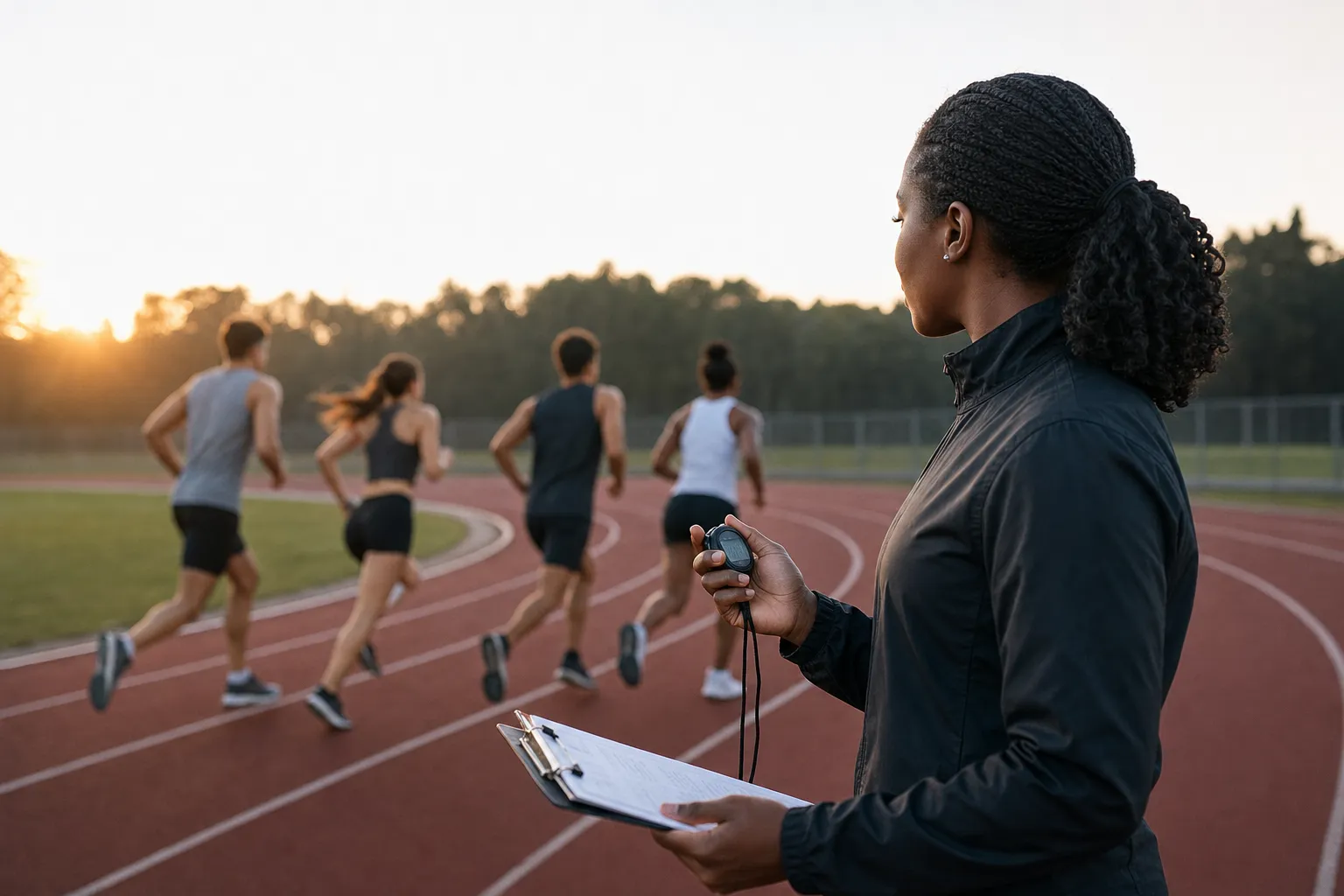
A.3.1SL and HL
Qualities of training
What makes a training programme safe, effective and right for the person following it?
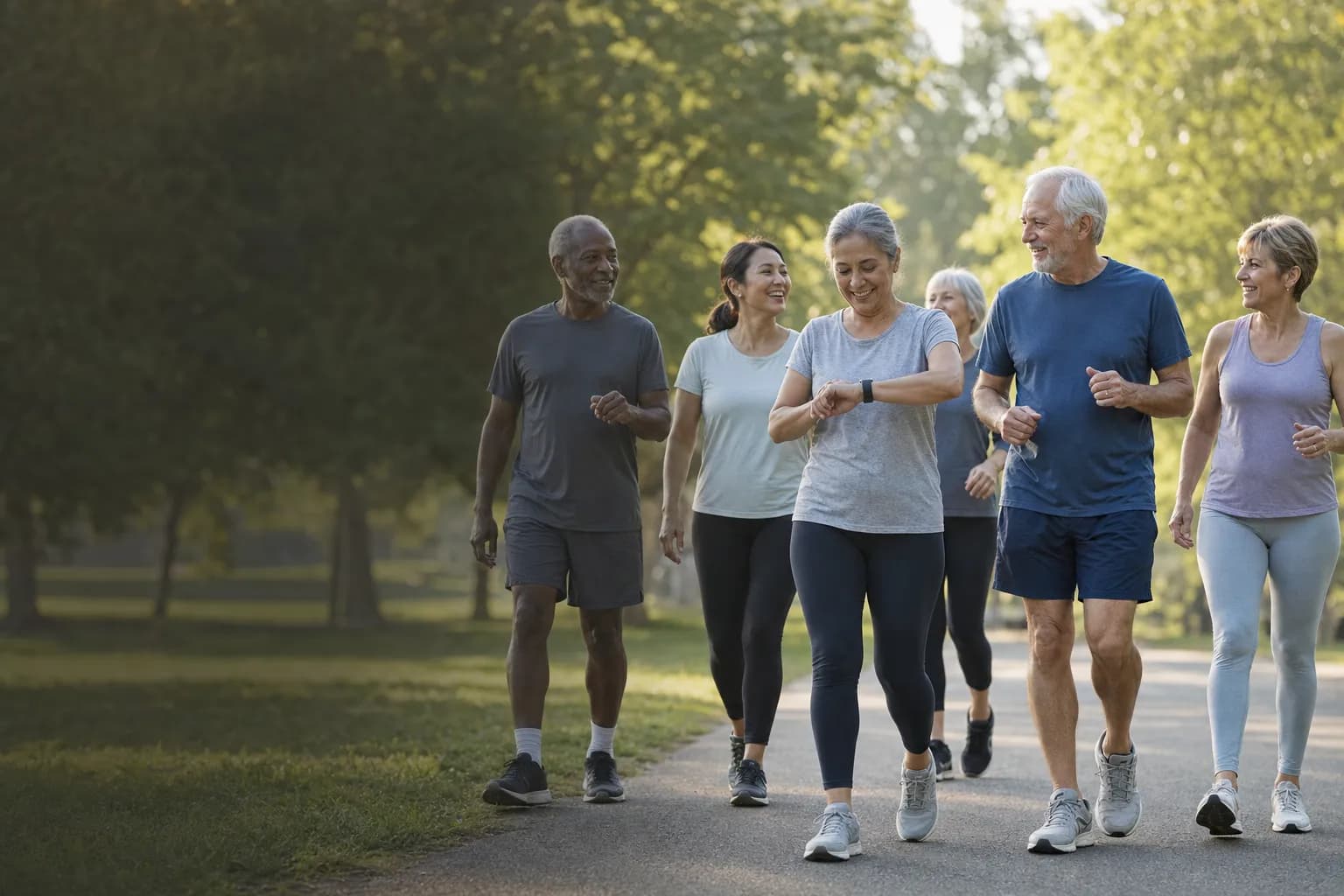
A.3.2SL and HL+ HL extension
Benefits to health of being active
How does regular physical activity protect health, and how should exercise be planned for different people?
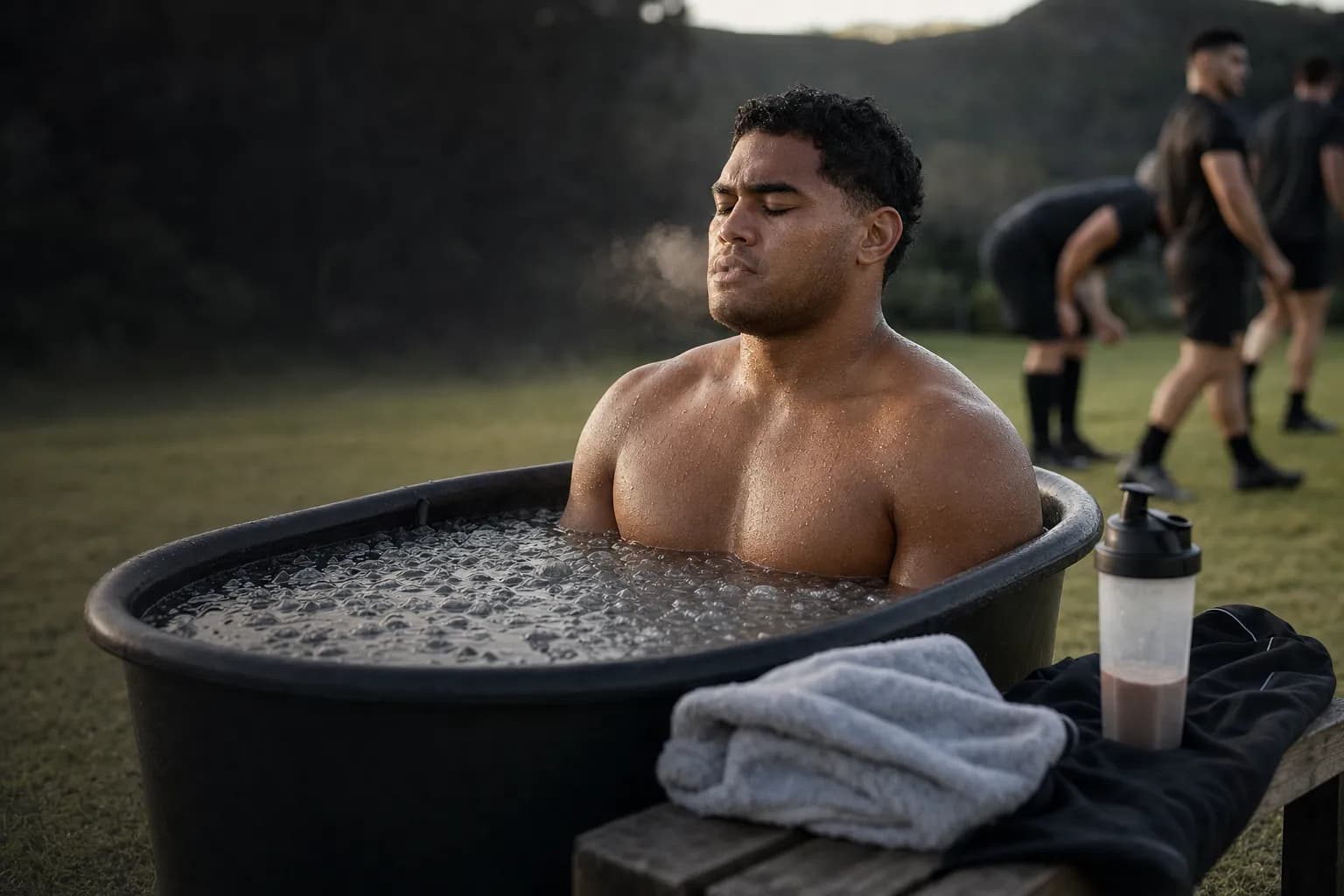
A.3.3HL only
Fatigue and recovery
Why do athletes tire during exercise, and what helps them recover in time for the next session?
BBiomechanics and injury
B.1.1SL and HL+ HL extension
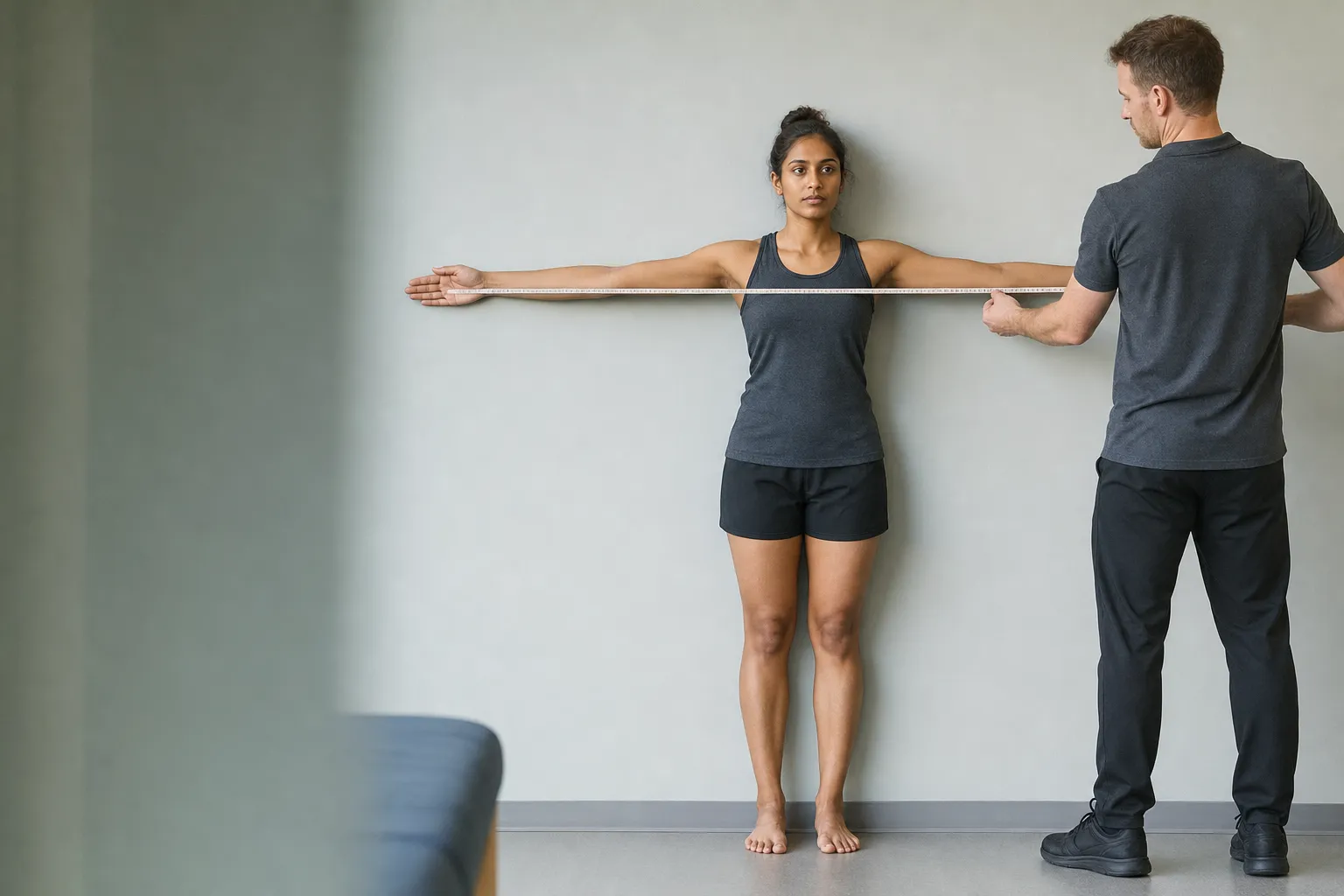
Anatomical position, planes and movement
How do coaches and scientists describe any movement of the body clearly and without confusion?
B.1.2SL and HL
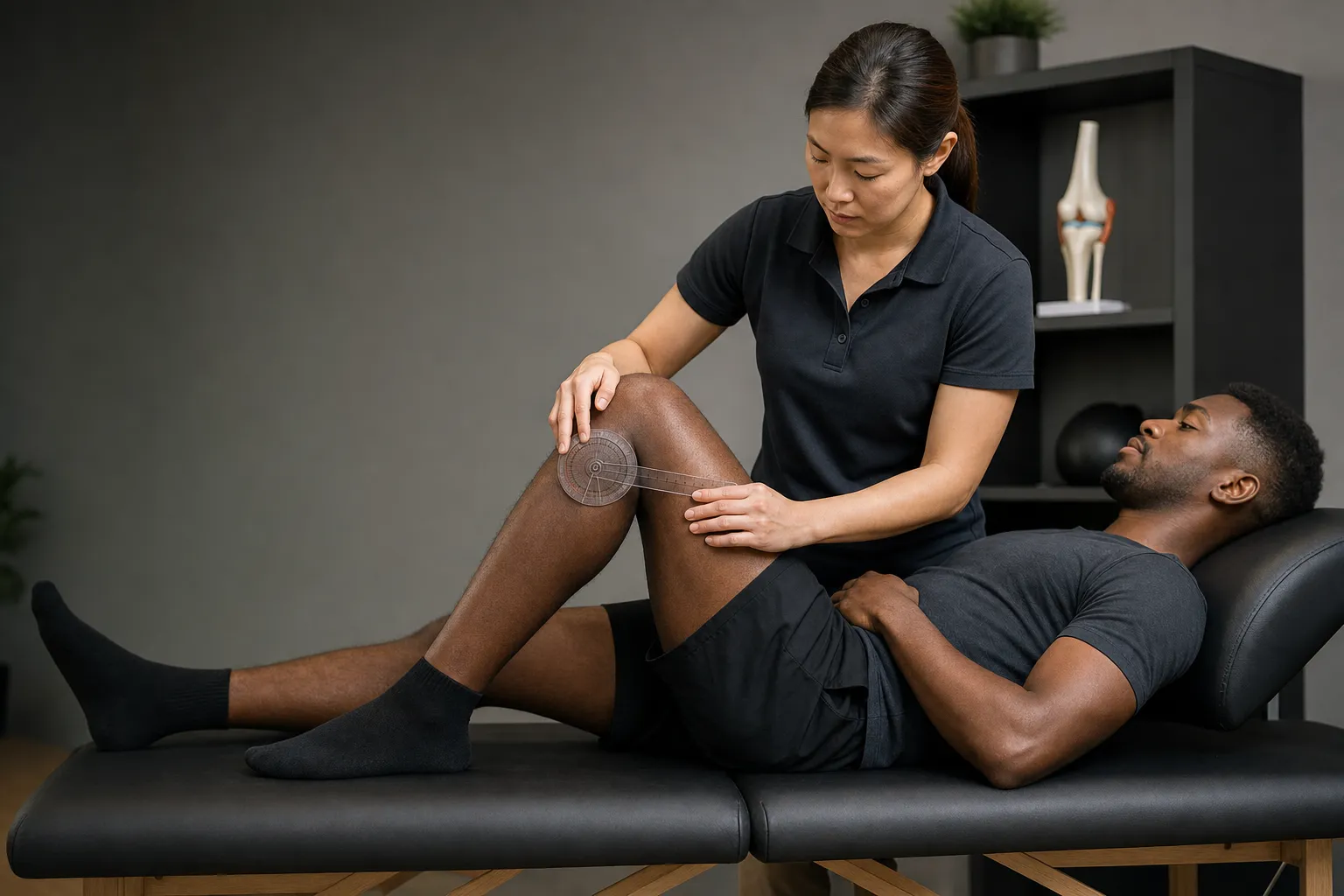
Structure and function of connective tissues and joints
Why are some joints built for stability while others allow a wide range of movement?
B.1.3SL and HL+ HL extension
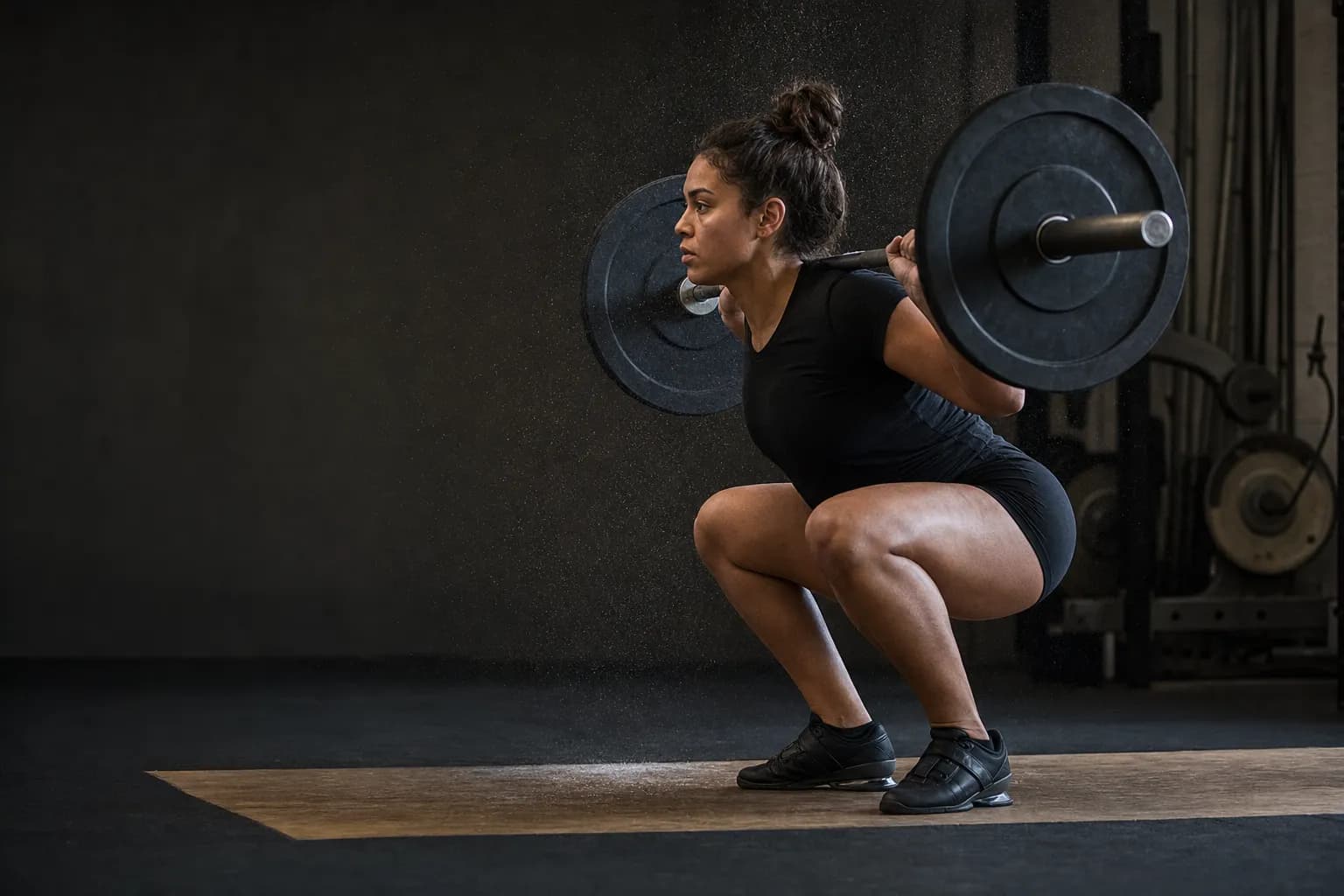
Muscular function
How do nerves and muscles work together to produce the right amount of force at the right time?
B.1.4SL and HL
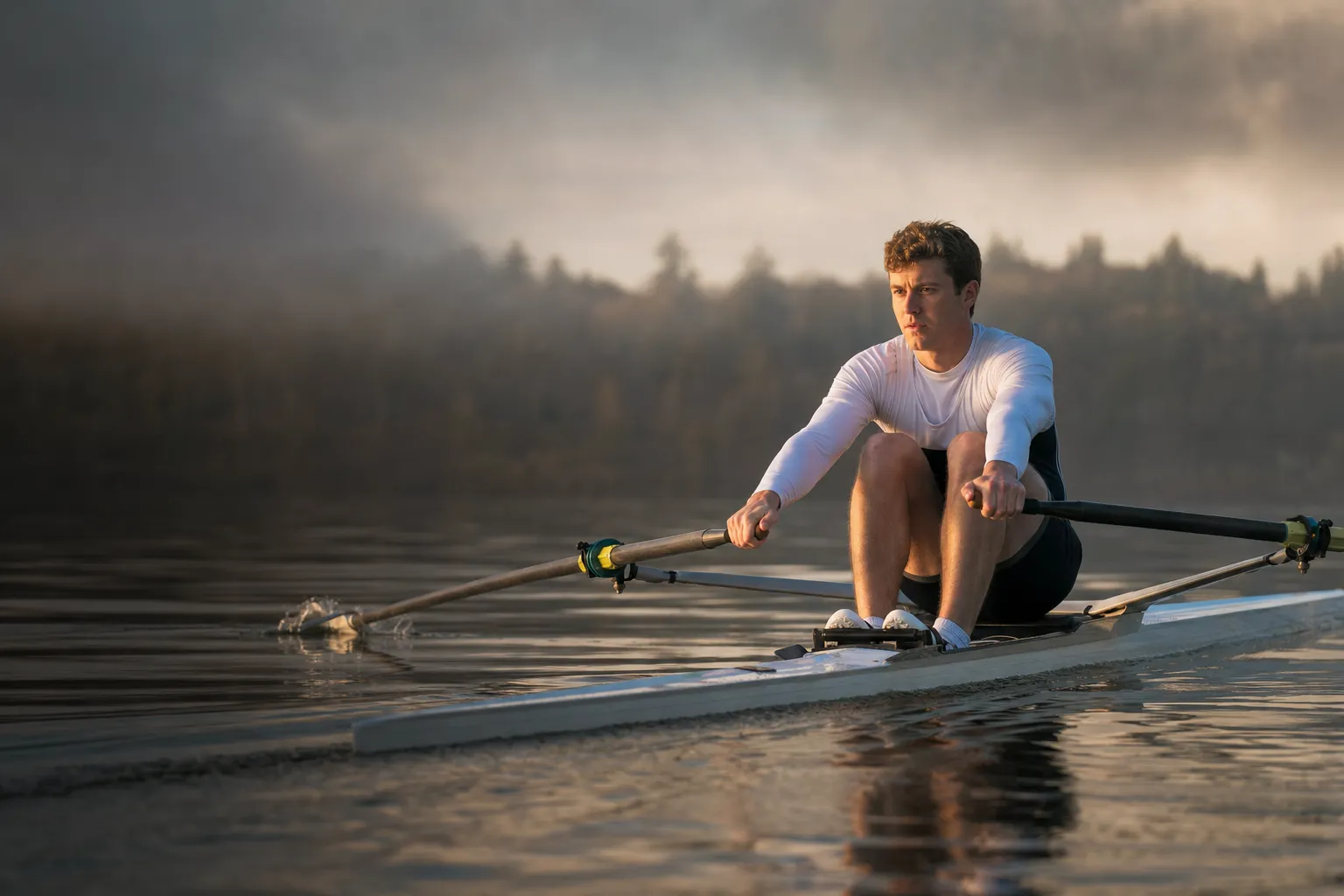
Levers in movement and sport
How does the arrangement of fulcrum, effort and load decide whether a lever favours force or speed?
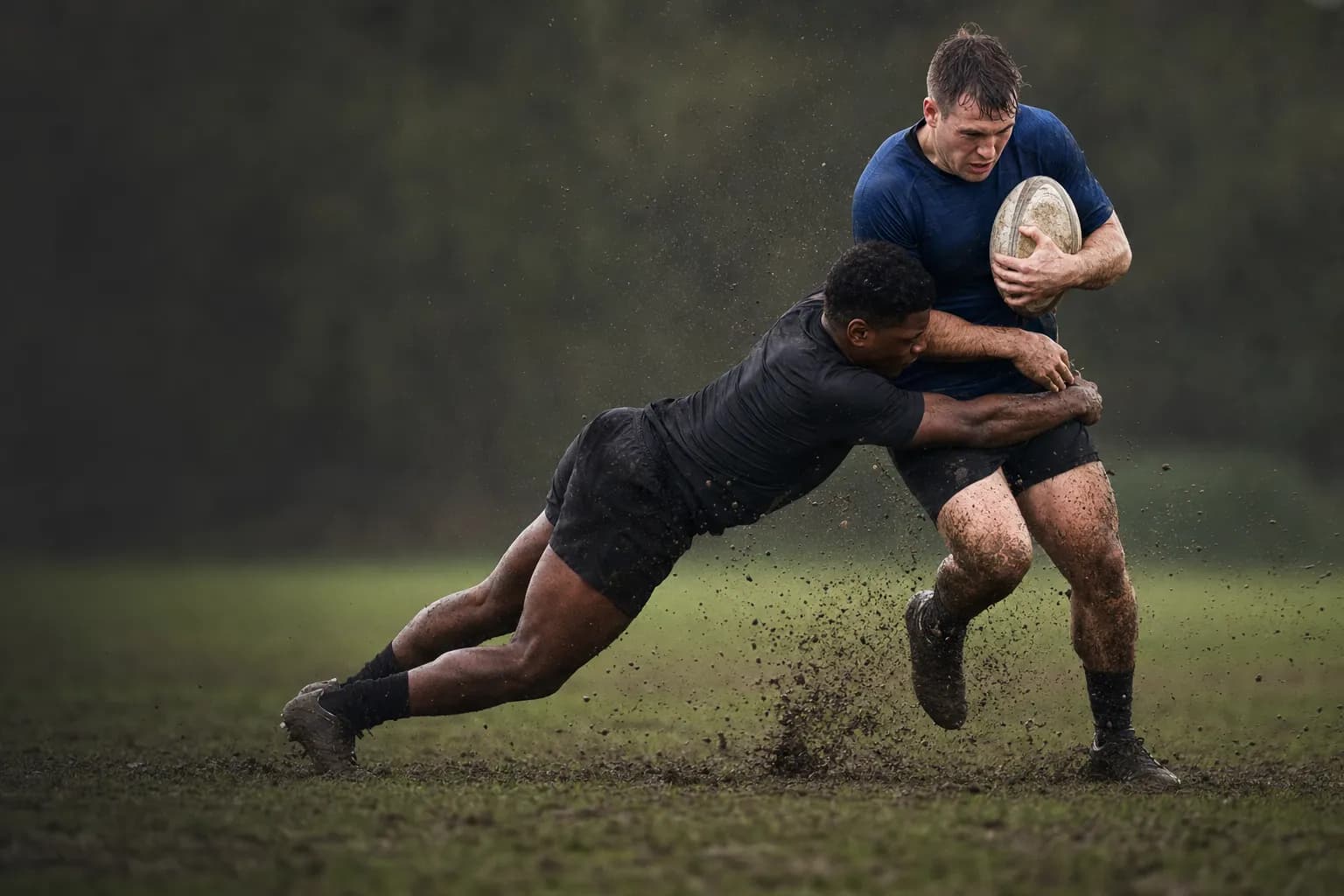
B.2.1SL and HL+ HL extension
Newton's laws of motion
How do Newton's laws explain how athletes start, stop, change direction and spin?
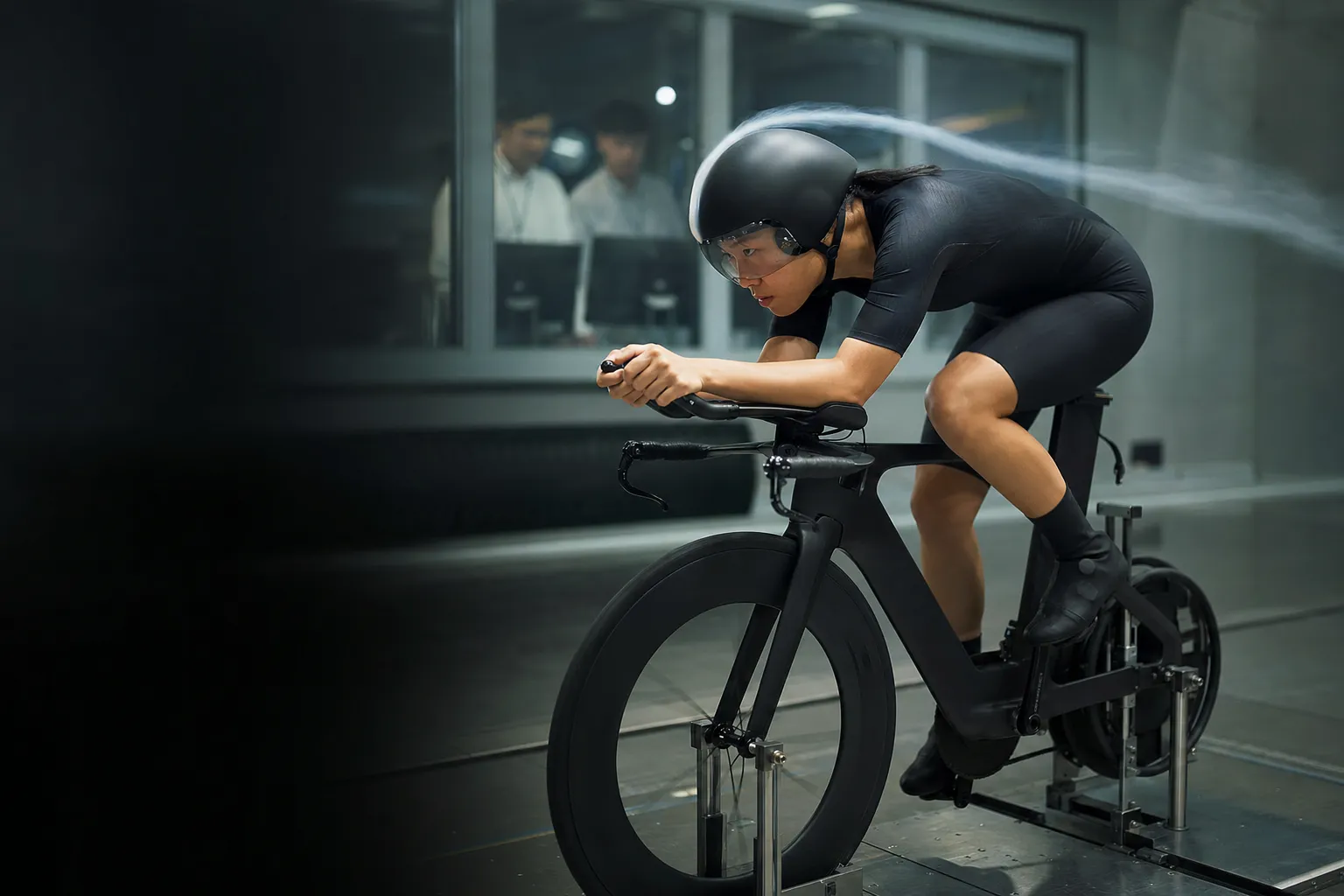
B.2.2SL and HL+ HL extension
Fluid mechanics
Why do a javelin, a golf ball and a swimmer each move so differently through air or water?
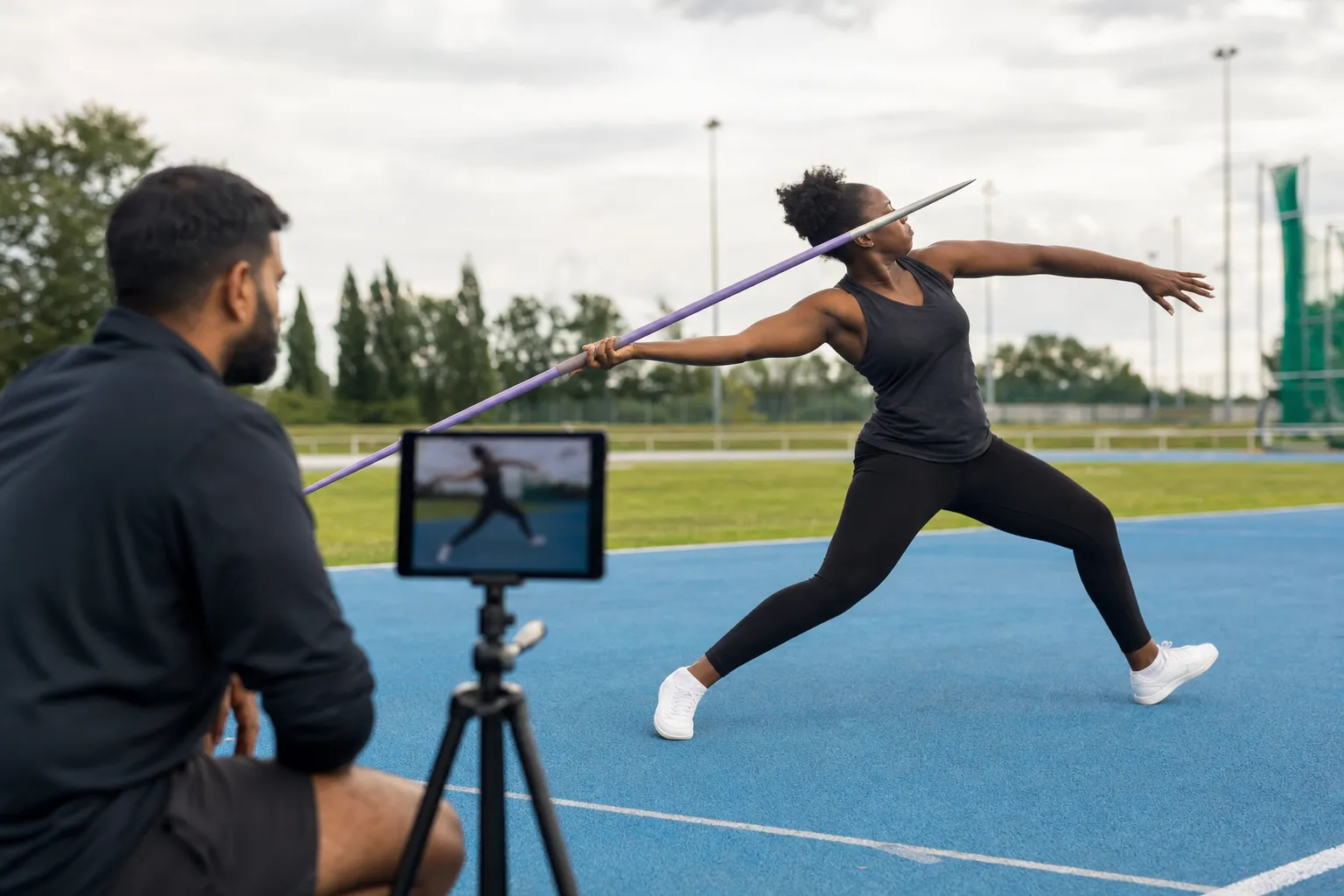
B.2.3SL and HL
Movement analysis and its applications
How can breaking a skill into phases help coaches improve technique and keep athletes safe?
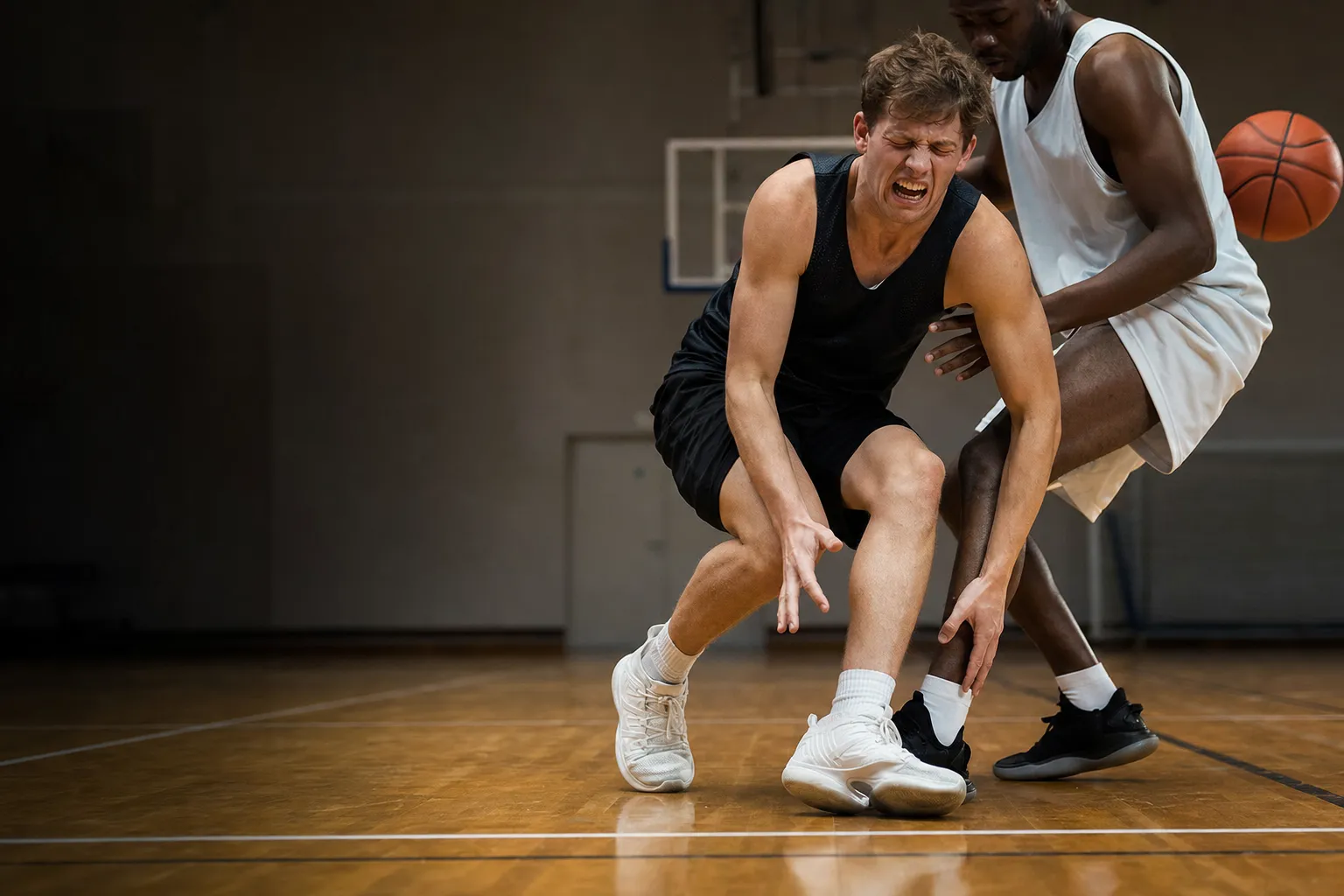
B.3.1SL and HL+ HL extension
Causes of injury
Why do some athletes get injured more than others, and how does the type of force affect the injury?
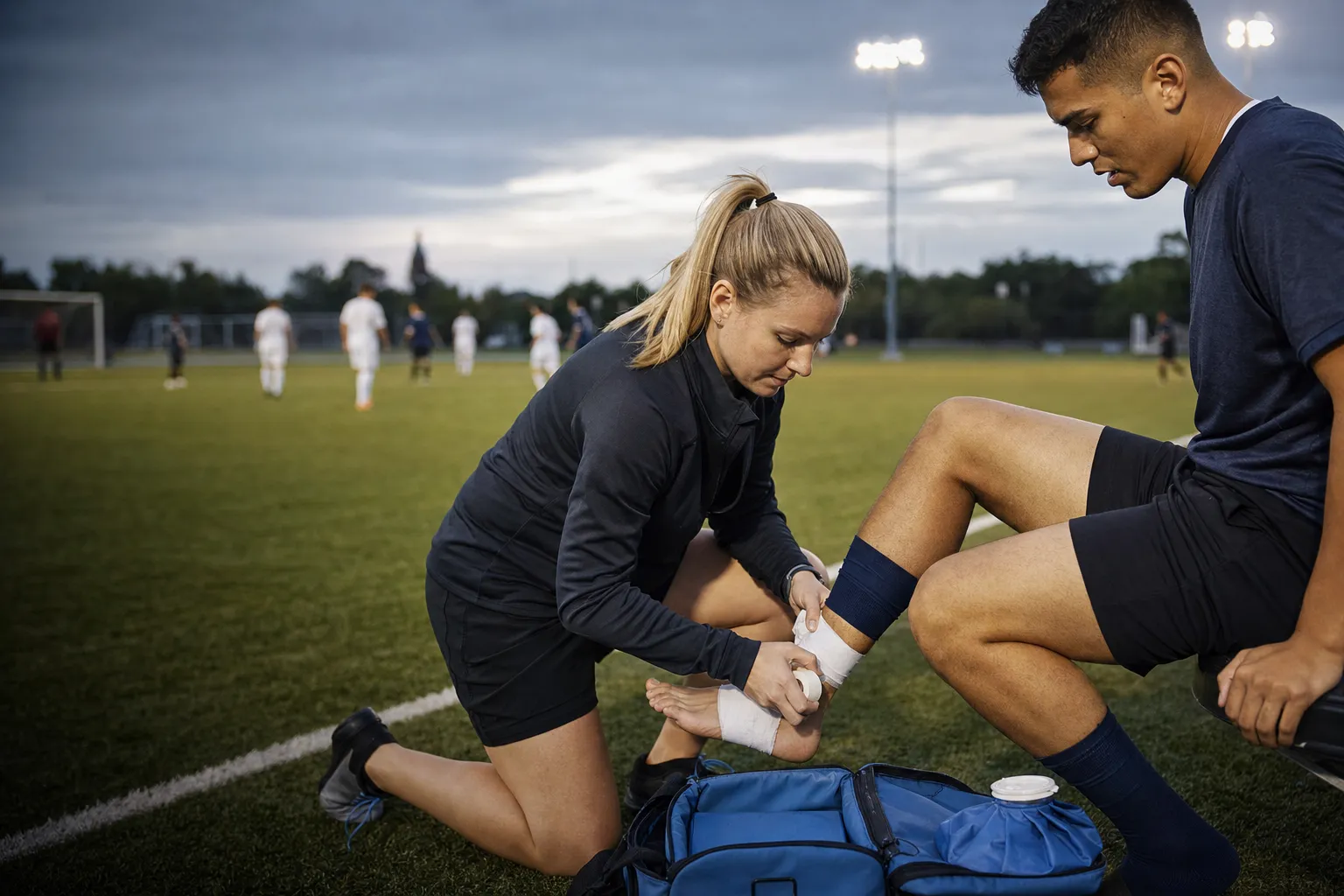
B.3.2SL and HL
Interventions related to injury
How can injuries be prevented, and how are they treated so the athlete returns safely?
CSport psychology and motor learning
C.1.1SL and HL+ HL extension
Personality
Why do athletes think, feel and act differently, and can personality explain who succeeds in sport?

C.1.2SL and HL+ HL extension
Mental toughness
What helps some athletes stay confident and in control when the pressure is at its highest?
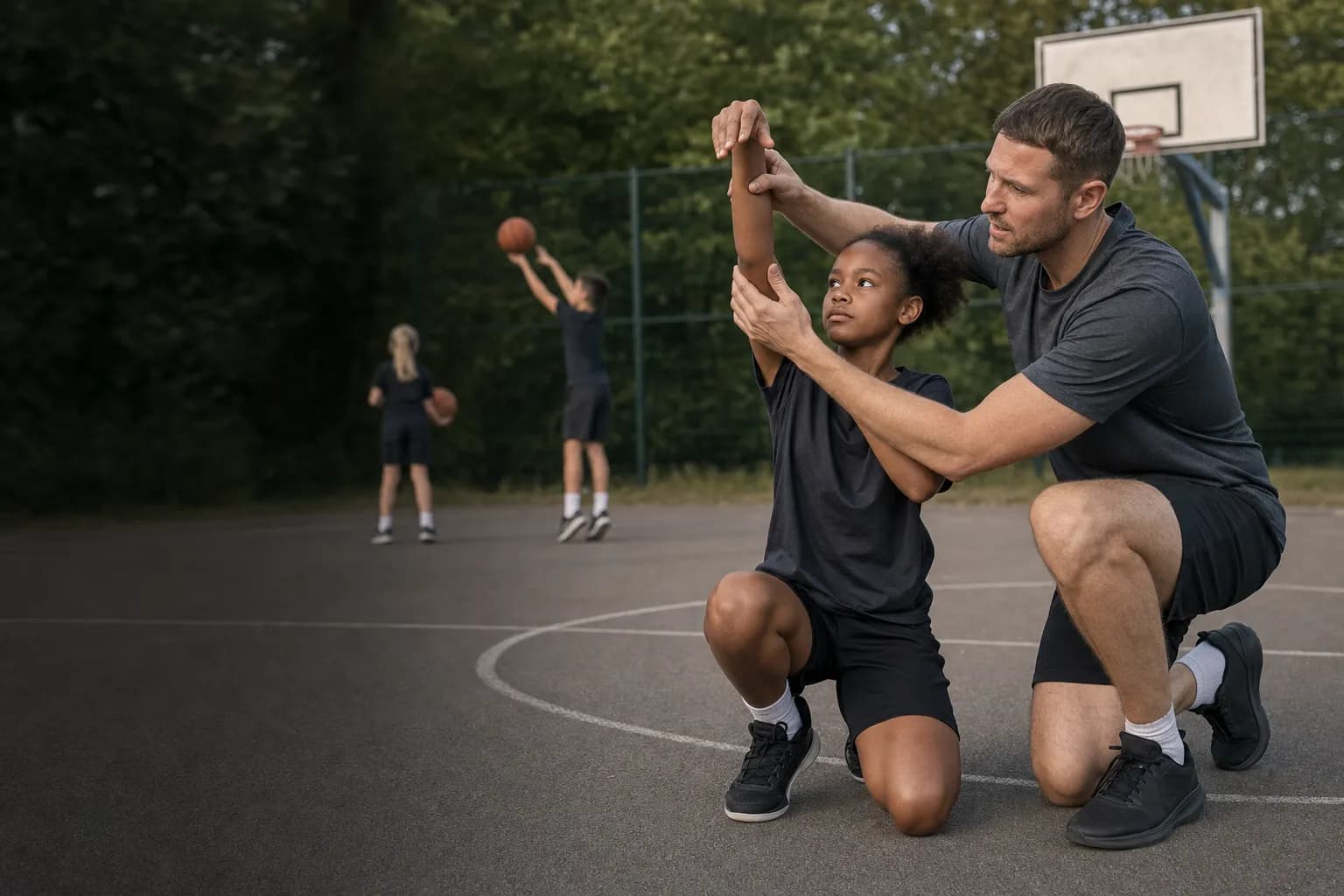
C.2.1SL and HL
Motor learning processes
How do people learn movement skills, and how should coaches design practice to help them?
C.2.2SL and HL
Attentional control
Where should a performer focus their attention, and how can they keep it there under pressure?
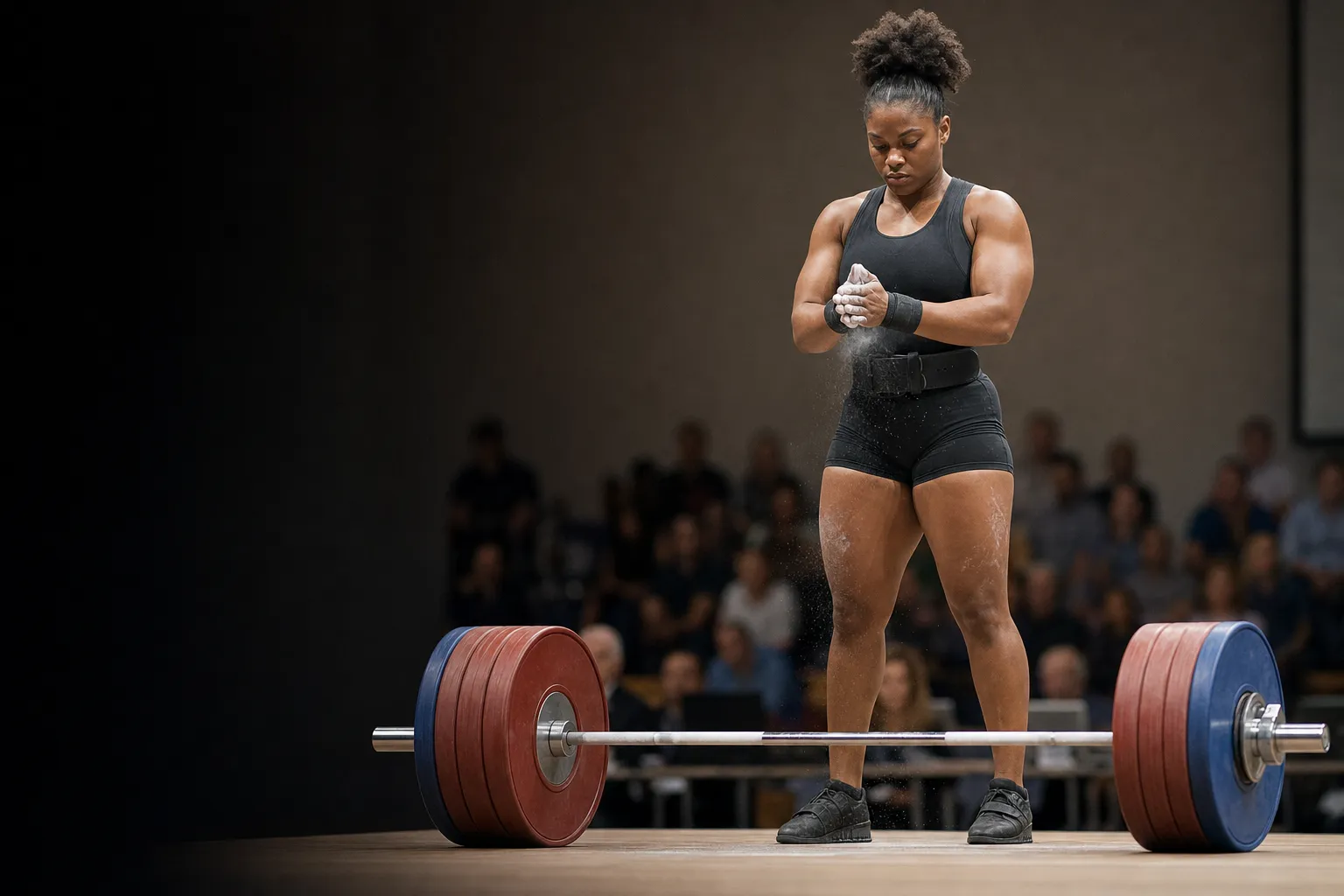
C.3.1SL and HL+ HL extension
Achievement motivation
Why do some athletes chase challenges while others avoid them, and what does success mean to each of them?
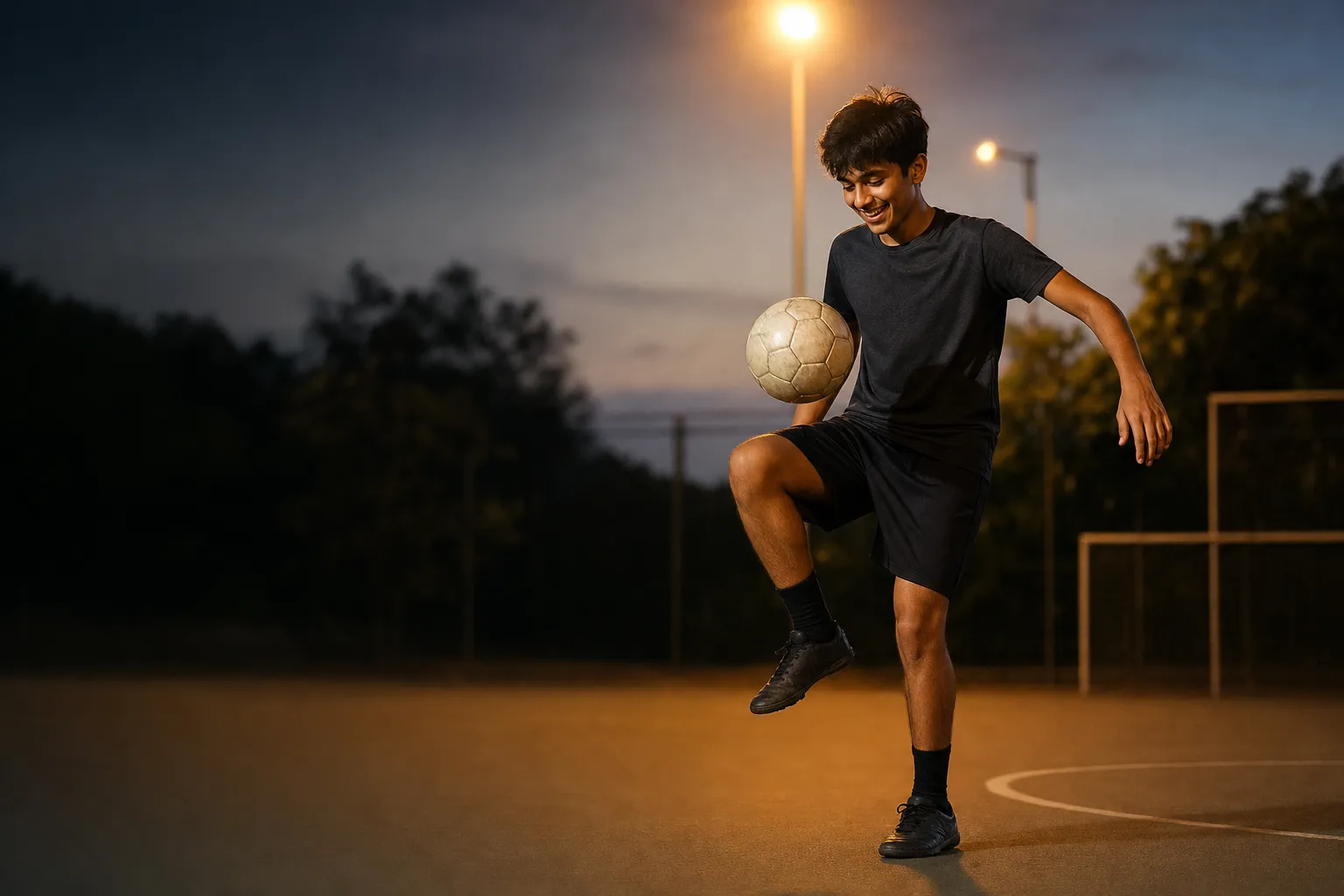
C.3.2SL and HL+ HL extension
Self-determination
What makes people want to take part for its own sake, and how can rewards help or harm that?
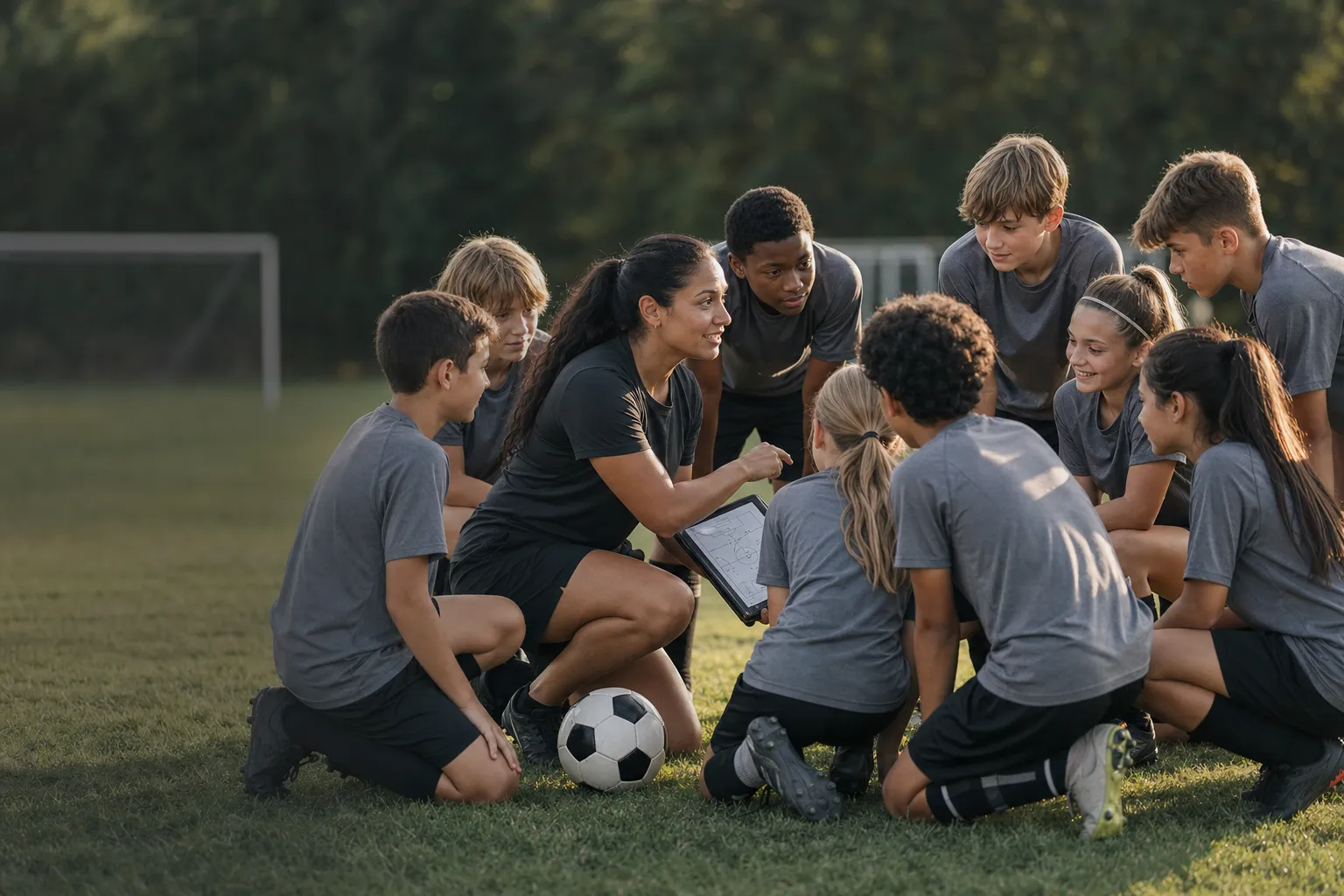
C.3.3SL and HL
Motivational climate
How does the environment a coach creates shape how athletes feel, try and improve?

C.4.1SL and HL
Arousal and anxiety
How does feeling activated or anxious change performance, and what level is best for each athlete?
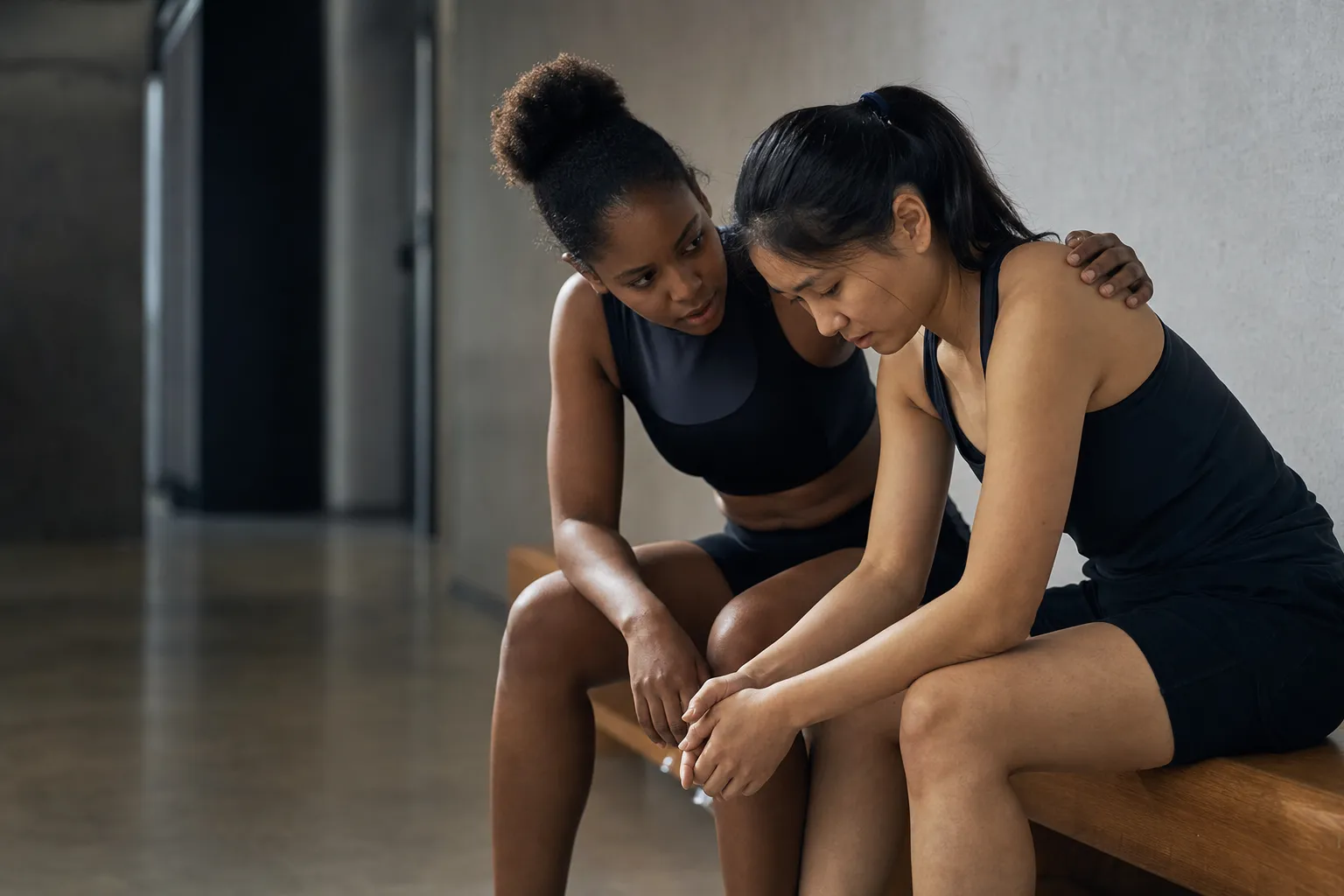
C.4.2SL and HL+ HL extension
Coping
How do athletes deal with stress, and which coping strategies work best in different situations?
C.5.1SL and HL+ HL extension
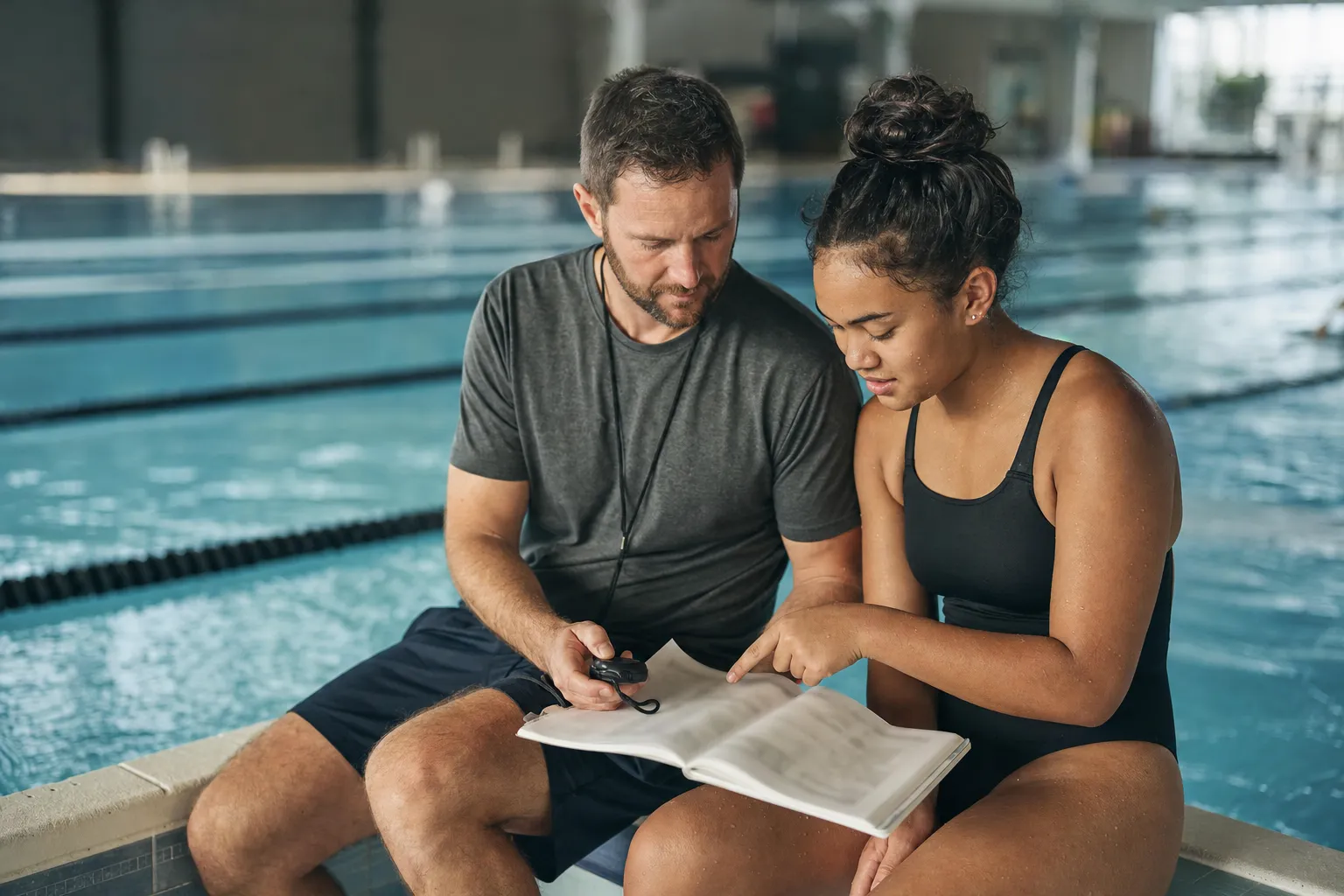
Goal setting
How can setting the right kind of goal boost motivation and performance?
C.5.2HL only
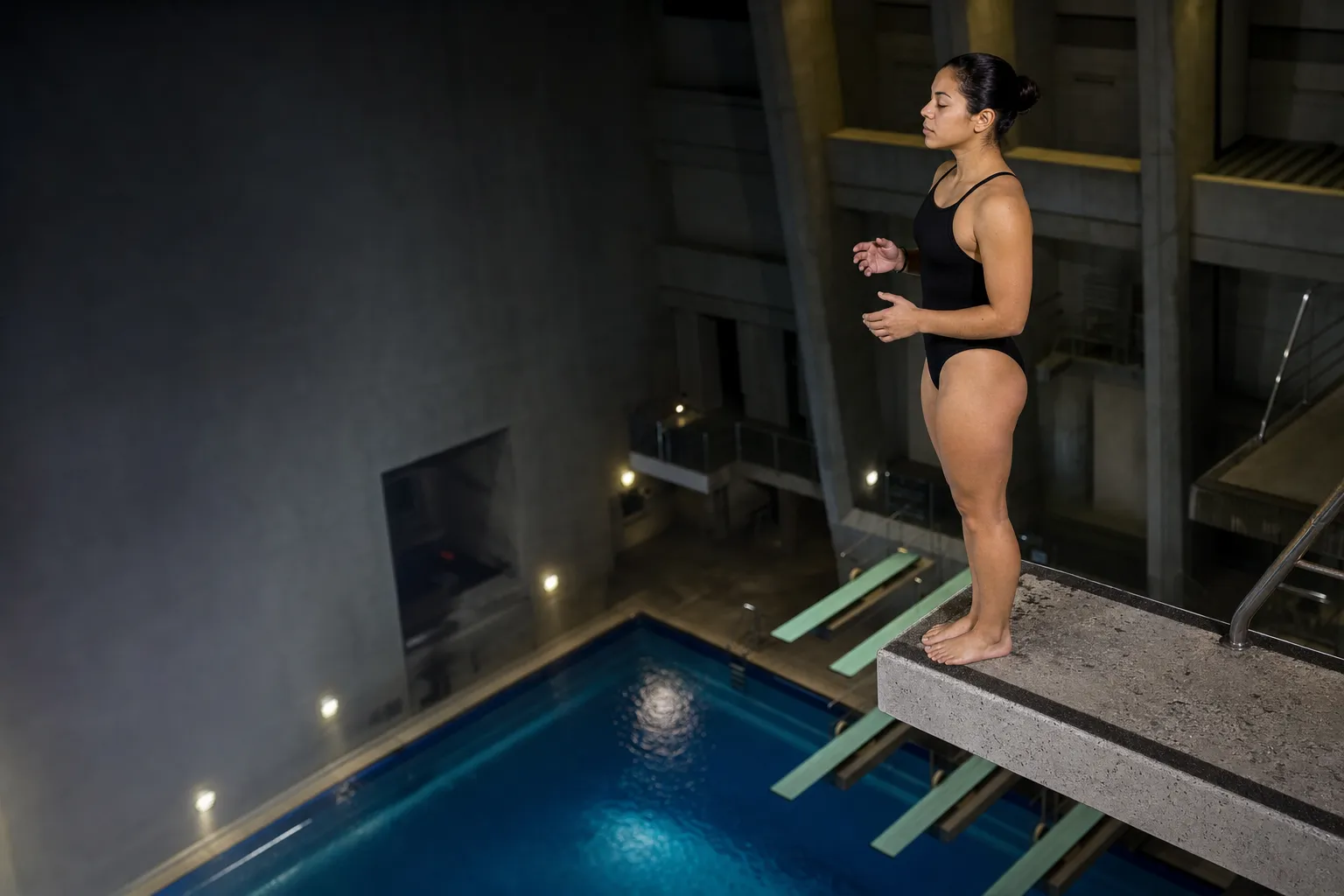
Imagery
How can rehearsing a skill in the mind improve how an athlete performs for real?